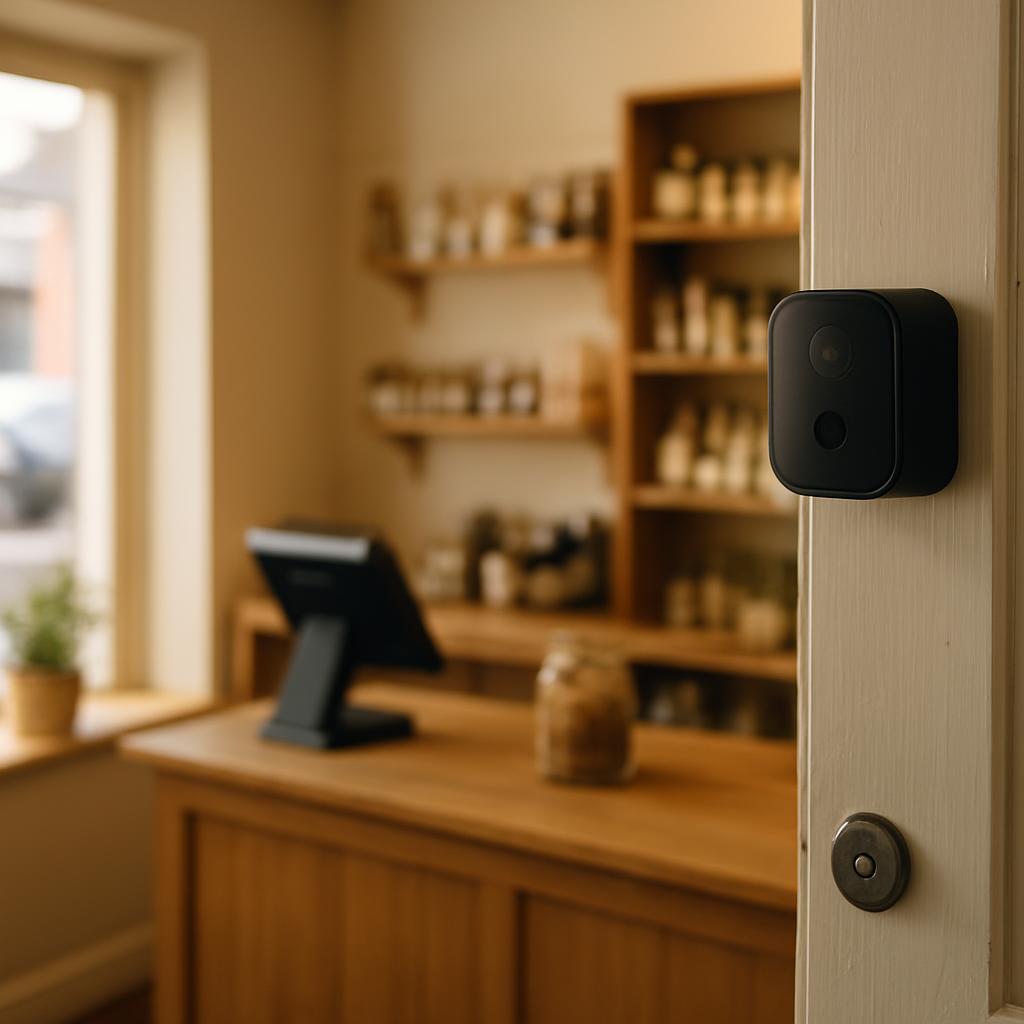
How Denmead Businesses Lock Down Security
Find Out More →Walk past the shops on Hambledon Road or near the Industrial Estate and you'll notice something: the businesses there don't just call a locksmith when disaster strikes. They plan ahead. They maintain systems. They treat their locks like something worth protecting, not something to ignore until a key snaps or a door won't close properly. Most homeowners in Denmead don't think the same way—and that's the whole problem.
Businesses have learned, sometimes the hard way, that a proactive approach to locks costs far less than a reactive one. The good news is you don't need to run a shop or warehouse to benefit from that same thinking. Here's what local businesses do differently, and how you can apply it to your home.
Why businesses treat locks as preventative, not emergency
Most homeowners wait until something breaks. A business can't afford to do that.
When you rely on your front door or back entrance for daily operations—whether you're running a small shop, managing an office, or overseeing a unit on the Industrial Estate—a faulty lock isn't just inconvenient. It's a financial hit. You lose access to inventory. You delay opening. You're vulnerable to break-ins when security is compromised. So businesses schedule regular lock checks. They replace worn mechanisms before they fail. They upgrade locks when they're approaching the end of their lifespan, not after they've already jammed for the third time.
For a homeowner, that same logic applies, just with different stakes. A broken lock at 11 p.m. on a Saturday means an emergency callout—which costs more. It means a night of worrying about security. It means potential damage if a lock has to be forced. A simple annual inspection? That's a couple of hours on a weekday and often catches small problems before they become expensive ones.
What does regular maintenance actually look like?
It's simpler than most people think. You're not dismantling anything or becoming a locksmith yourself.
Businesses typically arrange an annual or bi-annual visit from a locksmith who inspects all entry points, tests locks under normal use, checks for wear on tumblers and springs, and cleans mechanisms to prevent dirt buildup. If a lock is sticky or stiff, they lubricate it properly—which matters because wrong lubricant can actually jam a lock worse. They replace any worn keys that are becoming difficult to turn. And they advise on whether a lock is approaching the point where replacement makes sense.
You can do exactly the same for your home. Set it up once, mark it in your calendar, and that's it. Find out more about us at Locksmith Denmead if you want to chat about what a home inspection might include—it's tailored to your actual setup, not a generic checklist.
Master keys and access systems: What's worth borrowing for your home
Businesses use master key systems or access control because they solve a real problem: multiple people need different levels of access, and you can't hand out fifty individual keys.
That doesn't mean you need to install a keypad or smart lock if you don't want one. But the principle behind a master key system—thinking ahead about who needs what access and when—is worth applying at home. If you've got a teenage son, a cleaner who comes twice a week, parents with a spare key, and a delivery person who needs to access the back gate, where are all those keys? Who has copies? Have any been lost? Do you actually know?
A simple step: audit your current keys. Work out who actually needs access to what. For frequently shared access points—like a back gate or garage side door—consider whether a single lockable mechanism (a combination lock, a keypad, or a basic smart lock) might be simpler and more secure than five different keys floating around. That's business thinking applied to your front door.
Security upgrades: Why businesses don't wait until something's broken
If a business moves into a unit and the locks are ten years old, they replace them. Not because they're immediately broken, but because older locks have older security standards. A lock from 2014 was fine in 2014. It's not fine now.
Your home is similar. If you've never upgraded the locks on your back doors since you moved in, or if you've inherited old locks from the previous owner, there's a conversation worth having with a locksmith about what modern locks offer—whether that's better resistance to bumping, stronger internal mechanisms, or compatibility with smart home systems if that interests you.
Businesses don't do this because they're paranoid. They do it because replacing a lock proactively costs less than dealing with a break-in, or getting stuck outside, or having a lock fail at the worst possible moment. The same logic works for you.
The practical takeaway
You don't need to run a business to benefit from business-style thinking around locks. Call Locksmith Denmead for an inspection. Get a professional opinion on your current setup. Ask what's worth upgrading, what can wait, and what maintenance schedule makes sense for your home. It's the closest thing to insurance you'll find—except it actually prevents problems instead of just paying for them afterward.
Looking for Locksmith near Denmead?
We have secure, flexible units available in the area. Get in touch with Locksmith Denmead today.
Find Out More →